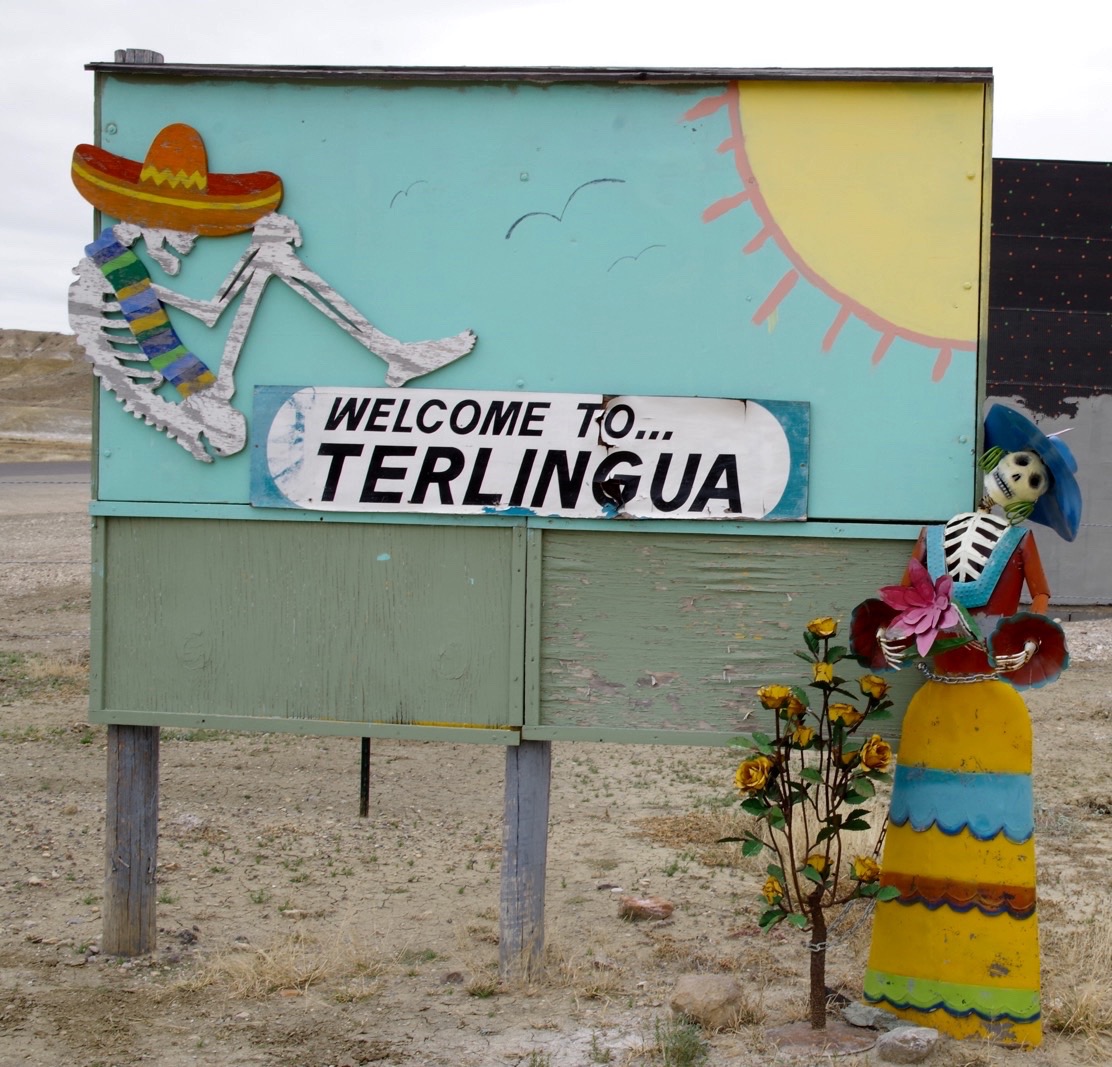
“What do I need electricity for?”
Cue record scratch freeze frame. Maybe I’m the only one who heard the needle scratch when Tony sincerely asked the above question, but I don’t think so. At that moment, my wine glass slipped on some condensation on the red-checkered plastic tablecloth and tipped over, its ruby liquid sloshing and then freezing mid-air in a legit, anti-gravity, comic-book move. The woman dining next to me froze, her mouth mid-gape, her hands clutching a triangle of pizza. The neon clock on the wall stopped ticking, and the sounds of “Hotel California” emerging from the jukebox wound down into slow motion and then ground to an abrupt halt. Mind. Blown.
With the time/space continuum temporarily frozen, there were a few minutes for me to think. About my new friend, Tony, the West Texas landscape, Terlingua and its inhabitants, and the 50 ways from Sunday that all of those things had blown my mind so far.
James and I met Tony at Long Draw Pizza in Terlingua, one of the roughly 3 places in town to find some dinner. The restaurant was recommended to us with the caveat, “You might want to call first. The hours are unpredictable, and NO CELL PHONES allowed.” Sure enough, when we walked up to the roadside double-wide trailer, there was a sign on the door, written in bold, black marker that read, “NO CELL PHONES.” “I guess if you own the place, you can make whatever rules you want,” I told James, turning off my phone and slipping it into my jacket pocket.
Upon entering the restaurant, we were greeted by an atmosphere somewhere between a Pizza Hut from 1985 and the VFW Hall from my hometown. Pitchers of soda and beer sat on the long plastic folding tables, a jukebox piped out Fleetwood Mac, and the people lining the tables leaned in toward each other, laughing. The bartender (who I would learn was also the only server AND the chef) shouted to us, “Welcome — sit where you want. It’ll be about an hour and a half ’til I can get your food to you, but I’ll bring you some drinks in just a minute.”
“Come on over,” a man in Carhartts and a baseball cap said, gesturing toward two chairs at the long table. “Welcome! Where y’all from?”
“Austin,” said James proudly.
“I’m sorry,” my new friend replied.
“We love it there,” I said, “It’s a really great city.”
“It’s not Terlingua,” he said, sticking out his hand for me to shake while taking a swig of Shiner from the bottle in his other hand. “I’m Tony.”
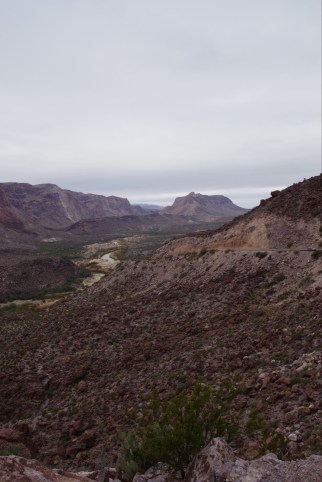
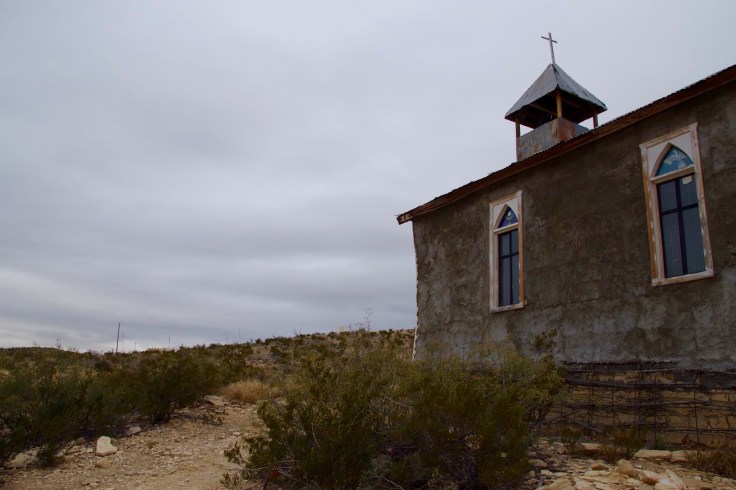
It’s true. Austin was not Terlingua. Terlingua rests near the Chisos Mountains, only twelve miles from the Mexican Border and the Rio Grande. Terlingua’s tiny community (Census data from 2010 put the population at 58, but certainly it’s increased since then) is an outpost at the edge of Big Bend National Park. Mercury was found in Terlingua in the late 1800s, and a town grew up around the Chisos Mining Company to support the industry. At the height of the mining boom, Terlingua supported nearly 3000 residents, but when the market for mercury shrank after WWII, the owner of the Chisos Mining Company declared bankruptcy, and the miners returned home. The buildings of the ghost town remain to this day.
Tony and the other residents of Terlingua seem to embody the spirit that the early miners must have: a thirst for adventure, both a love for and a healthy suspicion of outsiders, a resourceful spirit, and a love of Belgian bowling. (Okay, maybe that’s just Tony). In the moments before Tony froze time with his “Who needs electricity” comment, he told us that his kids kept bugging him to get a cell phone, but he doesn’t want one. If something happens, someone will find a way to get in touch with him, and if he needs something, he can always go to the RV park to borrow a phone from someone. “I go up to the RV park about once a month to shower, so I’m there anyway,” he explained.
“Once a month?” I asked, hoping that the surprise I was feeling in my heart wasn’t registering on my face.
“Yeah, you don’t sweat in the desert.” (I HAD noticed that my skin had been drier since we arrived and wondered briefly if I might skip my shower the next day. Nah.)
Tony built his own house in Terlingua. He went to bed when it was dark and got up when it was light. He had just finished explaining how he usually cooked his dinner on a little propane stove when James asked, “What do you do for electricity?” Tony’s response stunned us both. “What do I need electricity for?” he asked. If he needed a little extra light, he just put a flashlight on the floor of the geodesic dome home that he built for himself and got along just fine.
Terlingua, and other remote locations like it, allow outdoor guides, off-the-grid enthusiasts, nature lovers, and little old me to spend a moment or a lifetime unplugging. Connecting. In these places, time slows and quickens according to different metrics. There’s no option to scarf down your dinner; it won’t arrive for an hour and a half. Time extends. No option to distract yourself with a cell phone. Time slows. A new acquaintance teaches you the rules of Belgian bowling. Time quickens. The Milky Way appears in the night sky. Time slows. I see a javelina walking toward me on the road. Time slows as I take in a creature I’ve never encountered before. Time (and my heart) quicken as I realize that I have no idea if javelinas are known to attack humans. James and I wake up with the sun, build a campfire to have S’mores for breakfast, and talk about the things we’ve been avoiding talking about back in our non-Terlingua, busy life. Time slows. We connect.
As the proprietor of Long Draw Pizza delivers our pizza to the table, the clock on the wall regains its tick-tock, three-drink laughter fills the room again, and Tony takes another drink of his beer. I realize we’ve been waiting for our food for two hours and a lifetime. Time in Terlingua is funny like that.
 See How We Go
Leave a comment